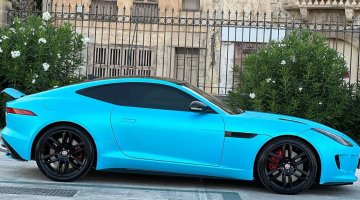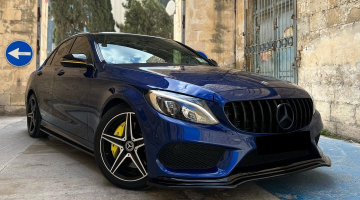
Window tinting is a process of adding a thin, colored film to the windows of a car, which helps in reducing the amount of sunlight that enters the car. This film is made of a polyester base layer that is covered with a special adhesive layer, which is then covered by a scratch-resistant coating. The tinted film is cut to fit the shape of the car windows and is then applied using a special solution. Window tinting has several benefits, including reducing heat, UV rays, and glare, and enhancing the appearance of the car.
The Importance of Window Tinting for Cars:
-
Reduced Heat: One of the primary benefits of window tinting is that it can reduce the amount of heat that enters the car. This is especially beneficial during the hot summer months when the temperature inside a car can rise to dangerous levels. The tinted film blocks a significant amount of the sun's heat, keeping the interior of the car cooler and more comfortable for passengers.
-
Protection from UV Rays: The sun's UV rays can be harmful to both the interior of a car and the passengers. UV rays can cause the interior of the car to fade and crack over time. In addition, UV rays can cause skin damage and increase the risk of skin cancer. Window tinting can block up to 99% of harmful UV rays, providing protection for both the car's interior and the passengers.
-
Reduced Glare: Glare from the sun can make it difficult to see while driving, increasing the risk of accidents. Window tinting reduces glare, making it easier to see the road ahead, and reducing the risk of accidents.
-
Enhanced Privacy: Tinted windows provide added privacy for passengers inside the car. Tinted windows make it more difficult for people outside the car to see inside, making it less likely that the car will be targeted by thieves.
-
Improved Appearance: Window tinting can enhance the appearance of a car, giving it a sleek and sophisticated look. This is especially true for high-end cars, which often have tinted windows as a standard feature.
Use Cases for Window Tinting:
-
Personal Cars: Window tinting is most commonly used on personal cars. It provides several benefits for drivers and passengers, including reducing heat, protecting from UV rays, reducing glare, providing privacy, and enhancing the car's appearance.
-
Commercial Vehicles: Window tinting is also commonly used on commercial vehicles, including trucks, vans, and buses. Tinted windows can provide added privacy and security for valuable cargo, reduce heat and glare for drivers and passengers, and enhance the appearance of the vehicle.
-
Emergency Vehicles: Emergency vehicles, including police cars, ambulances, and fire trucks, often have tinted windows. This is because tinted windows provide added privacy for patients and victims, reduce glare for drivers, and enhance the appearance of the vehicle.
Conclusion:
Window tinting is an important process that provides several benefits for cars and their passengers. Tinted windows can reduce heat, protect from harmful UV rays, reduce glare, provide added privacy and security, and enhance the appearance of the car. Window tinting is commonly used on personal cars, commercial vehicles, and emergency vehicles. If you're considering window tinting for your car, it's important to find a reputable professional to ensure that the tinting is done correctly and safely.